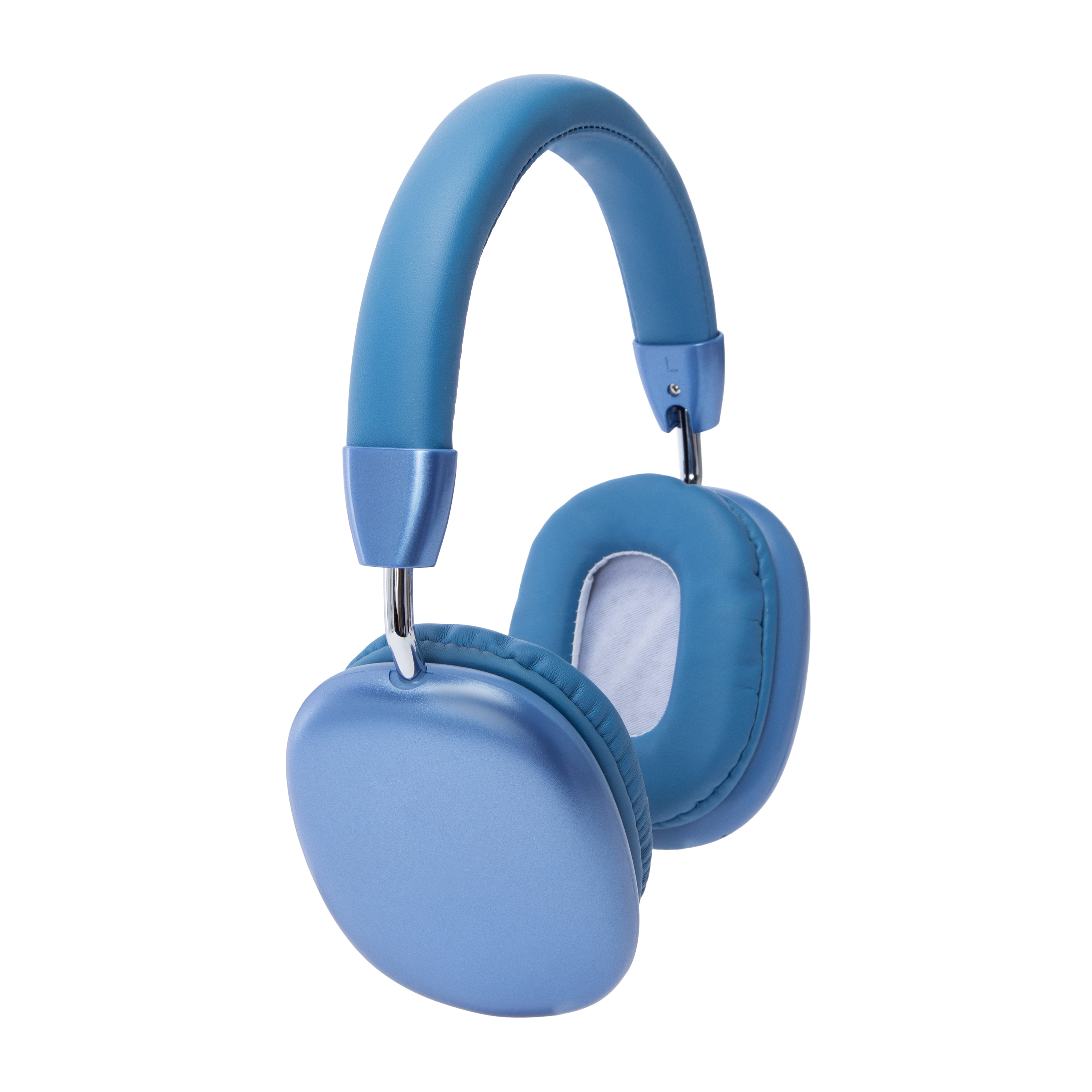
The Science Behind Sound: How Headphones Influence Brain Activity
The science behind sound reveals fascinating insights into how listening experiences can affect our brain activity. Research has shown that sound waves interact with our brain in complex ways, leading to emotional and cognitive responses. When we listen to music through headphones, for instance, the audio frequencies can stimulate the release of neurotransmitters such as dopamine and serotonin, which are crucial for mood regulation and emotional well-being. This impact can vary significantly depending on the type of sound or music being played, making the choice of headphones and audio quality critical in optimizing these effects.
Moreover, studies indicate that using high-quality headphones can enhance focus and productivity. When we immerse ourselves in specific sound environments, the brain tends to filter out distractions and enter a state of flow, boosting cognitive performance. Noise-canceling headphones, in particular, have been shown to reduce external distractions, enabling the listener to engage more deeply in tasks, whether it's studying, working, or simply enjoying their favorite album. This underscores the profound connection between sound and brain activity, revealing how our auditory choices can consciously shape our mental states.
Counter-Strike is a highly popular first-person shooter (FPS) game that pits teams of terrorists against counter-terrorists in a variety of tactical scenarios. The game's emphasis on strategy and teamwork makes it a favorite in the esports community. For those looking to enhance their gaming or conference call experiences, check out the Top 10 Earbuds for Zoom Calls to find the best audio solutions for communication.
Can Listening to Music Improve Your Focus? Exploring the Connection
Many people wonder if listening to music can enhance their concentration, especially in environments rife with distractions. Research indicates that specific types of music, particularly instrumental or classical, can help create a conducive atmosphere for focused work. The absence of lyrics minimizes cognitive load, allowing the mind to concentrate on tasks at hand rather than the words being sung. Some studies have shown that background music can even lead to improved productivity and creativity, as it may stimulate brain regions associated with focusing and problem-solving.
However, the impact of music on focus can be subjective and may vary from person to person. While some individuals thrive with music playing in the background, others may find it distracting. It's essential to experiment with different genres, tempos, and volumes to discover what works best for your individual focus needs. Playing soothing tracks during studying or working sessions can foster a calmer mindset, while more upbeat tunes might energize and motivate you during creative tasks. Ultimately, the key is to find the right balance that enables you to harness the power of music to improve your focus.
What Type of Sound is Best for Boosting Creativity?
When it comes to boosting creativity, the type of sound you immerse yourself in can make all the difference. Research shows that certain types of music, particularly those with a moderate tempo and uplifting melodies, can enhance your cognitive function and promote innovative thinking. For instance, classical music, especially pieces composed by Mozart or Bach, have been reported to facilitate a state of flow, allowing your mind to wander freely while simultaneously maintaining focus. Additionally, ambient sounds, such as nature sounds or soft instrumental music, can create a calming atmosphere that minimizes distractions and fosters creativity.
Another effective way to boost creativity is through the use of white noise or background sounds like café chatter. These sounds can mask other distracting noises in your environment, making it easier to concentrate on your creative tasks. Some studies indicate that a certain level of sound complexity can stimulate the brain's creative centers. Therefore, experimenting with different auditory environments, whether it’s a soft rain, a bustling coffee shop, or your favorite playlist, can be a personal journey to discover what type of sound works best for you in enhancing your creative output.