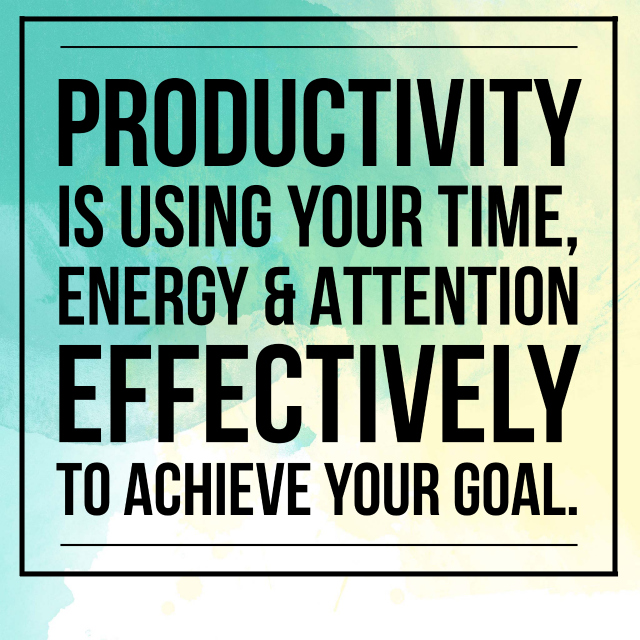
5 Essential Techniques to Overcome Distractions and Boost Your Productivity
In today's fast-paced world, overcoming distractions is crucial for maintaining productivity. Here are five essential techniques to help you stay focused:
- Set Clear Goals: Define your daily tasks and goals. When you have a specific target in mind, it becomes easier to ignore distractions and stay on track.
- Use the Pomodoro Technique: This method encourages you to work in short bursts of 25 minutes followed by a 5-minute break. It can significantly enhance your focus.
- Create a Distraction-Free Environment: Minimize interruptions by decluttering your workspace, turning off notifications, and informing others of your focused work time.
- Employ Mindfulness Practices: Techniques such as meditation can improve your attention span and help you become more aware of distractions as they arise.
- Leverage Technology: Use apps and tools designed to block distracting websites and track your focus periods.
By implementing these techniques, you will not only overcome distractions but also create a productive work routine that leads to better results. Remember, consistency is key; the more regularly you apply these techniques, the more natural they will become. Identify what works best for you, and make adjustments as necessary to establish a focused and efficient workflow.
Counter-Strike is a popular first-person shooter game that pits teams of terrorists against counter-terrorists in various game modes. Players can choose from a variety of weapons and tactical strategies to achieve objectives, such as planting or defusing bombs. For gamers seeking unique experiences, check out these Top 10 Tech Gifts for Students that enhance gameplay and improve your gaming setup.
How to Create a Distraction-Free Workspace: Tips and Tricks
Creating a distraction-free workspace is essential for maximizing productivity and focus. Start by decluttering your environment; remove unnecessary items from your desk that could divert your attention. Consider using organizational tools such as cabinets or drawer dividers to keep your workspace tidy. Additionally, make use of noise-canceling headphones or soft background music to keep auditory distractions at bay. Here are some quick tips:
- Establish strict work hours to limit interruptions.
- Turn off notifications on your phone and computer.
- Create a dedicated workspace that’s separate from your personal space.
Another effective strategy for crafting a distraction-free workspace is to optimize your digital environment. This involves decluttering your desktop and organizing your files for easy access. Use productivity apps that help manage tasks, such as Trello or Todoist. Make sure to schedule regular breaks to prevent burnout and maintain concentration during work sessions. Remember, a clean and organized environment can significantly boost your mental clarity and overall efficiency. Consider implementing these practices:
- Limit your open tabs in the browser to reduce digital chaos.
- Use website blockers to eliminate time-wasting sites.
- Keep your phone out of sight to minimize temptation.
The Science Behind Procrastination: Why We Get Distracted and How to Stop It
Procrastination is a common struggle that many face in today's fast-paced world. At its core, it stems from a complex interplay of psychological and neurological factors. According to research, our brains are wired to seek immediate rewards, making distracting activities more appealing than tasks that require sustained effort. This reward system can lead to a cycle where we choose short-term pleasures over long-term goals, creating feelings of guilt and anxiety. Understanding the science behind procrastination helps us address these distractions more effectively.
To combat procrastination, it's essential to adopt strategies that cater to our cognitive processes. Here are a few techniques that can help:
- Break tasks into smaller steps - This makes overwhelming projects more manageable.
- Set specific deadlines - This helps create a sense of urgency and accountability.
- Eliminate distractions - Identify what pulls your focus and minimize these triggers.
By applying these methods, you can harness a better understanding of your behavior and take concrete steps towards improving your productivity.