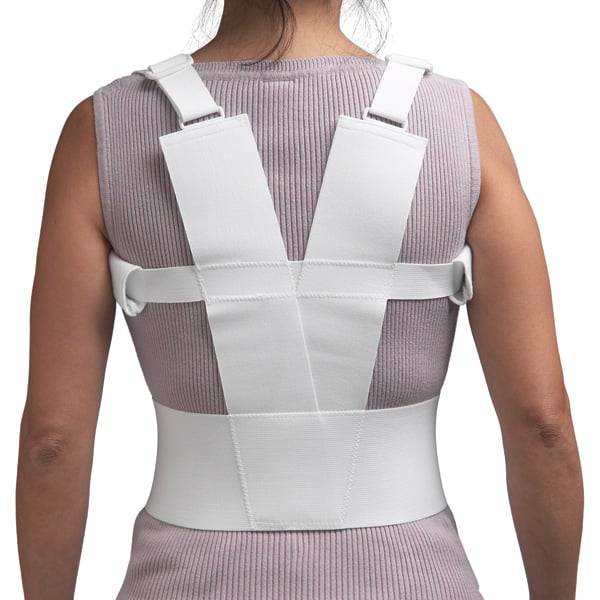
The Impact of Posture on Overall Health: What You Need to Know
Maintaining proper posture is essential for overall health, influencing not only the musculoskeletal system but also organ function and emotional well-being. Poor posture can lead to a variety of issues such as chronic back pain, tension headaches, and even digestive problems due to the compression of internal organs. Research indicates that individuals who practice good posture can experience improved circulation, enhanced lung capacity, and reduced fatigue, creating a ripple effect that enhances productivity and mood.
To improve your posture, consider implementing specific exercises and ergonomic adjustments in your daily routine. Start by integrating activities that focus on strengthening the core and back muscles, such as yoga or Pilates. Additionally, observe these essential posture tips:
- Align your ears, shoulders, and hips.
- Keep your feet flat on the floor when seated.
- Avoid slouching by using a supportive chair.
By making a conscious effort to maintain proper posture, you can significantly enhance your quality of life and overall health.
Counter-Strike is a highly popular first-person shooter game that has captivated players around the world since its release. It involves two teams competing against each other, typically the Terrorists and the Counter-Terrorists, in various objective-based game modes. Players are tasked with strategic planning and skillful execution to outsmart their opponents and achieve their goals, whether that be planting bombs or rescuing hostages. For those looking to enhance their gaming experience, consider checking out the Top 10 Phone Accessories for Neck Pain to ensure comfort during long gaming sessions.
5 Simple Exercises to Improve Your Posture at Work
Maintaining good posture while working is crucial for preventing discomfort and promoting overall well-being. Here are 5 simple exercises you can incorporate into your daily routine to improve your posture at work:
- Shoulder Blade Squeezes: Sit up straight and squeeze your shoulder blades together. Hold for five seconds and repeat ten times.
- Neck Stretches: Gently tilt your head to one side, holding the stretch for 15-30 seconds. Repeat on the other side.
- Chest Openers: Stand up and clasp your hands behind your back, lifting your arms slightly to open your chest. Hold for 15-30 seconds.
- Seated Torso Twist: While seated, twist your torso to one side and hold onto the back of your chair for support. Repeat on the other side.
- Wrist and Finger Stretch: Extend one arm in front of you, palm up, and gently pull back on your fingers with the other hand. Hold for 15 seconds and switch sides.
Is Your Chair Hurting You? How to Choose the Right Posture Support
Sitting for prolonged periods can lead to discomfort and pain, often originating from your chair. If you find yourself shifting frequently or experiencing back pain, it might be a sign that your chair is not providing adequate support. Proper chair posture support is essential for maintaining spinal alignment and reducing strain on your muscles. To determine if your chair is suitable, consider ergonomic features such as lumbar support, adjustable height, and the ability to recline comfortably.
When selecting the right chair, look for models that allow you to customize your seating experience. Here are a few key factors to keep in mind:
- Adjustability: Your chair should support various adjustments, including height, armrest position, and tilt.
- Material: Choose breathable fabrics that can keep you comfortable throughout the day.
- Base and Wheels: Ensure your chair has a sturdy base and smooth-rolling wheels for easy mobility.
Investing in the right chair can dramatically improve your posture and overall comfort, preventing long-term health issues associated with sitting improperly.