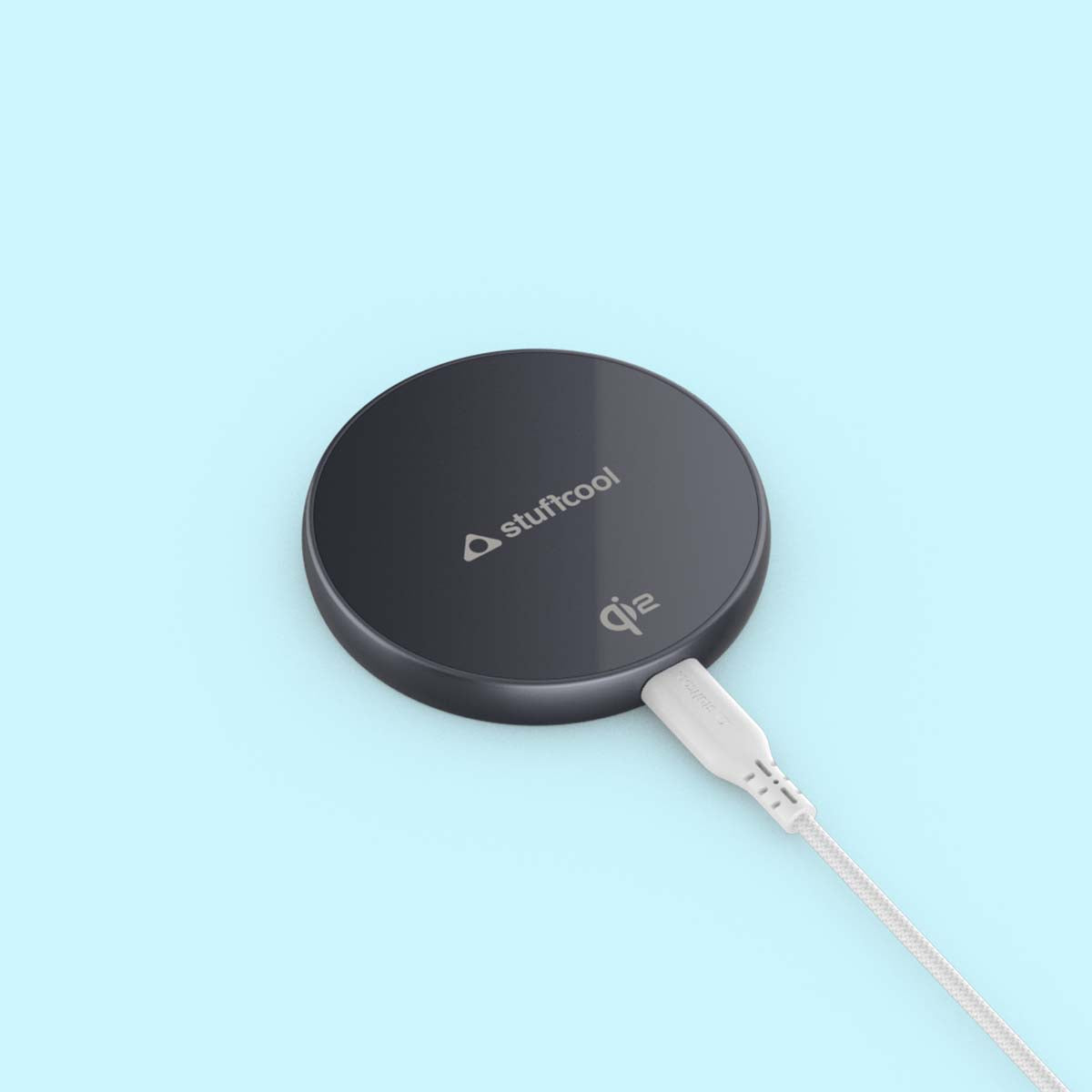
Exploring the Benefits of Wireless Charging: Is It Right for You?
Wireless charging has gained popularity as a convenient alternative to traditional charging methods for a variety of devices, including smartphones and smartwatches. One of the primary benefits is the ease of use; simply placing your device on a charging pad eliminates the need to fuss with tangled cords or connectors. This technology uses electromagnetic fields to transfer energy, allowing you to charge your device just by setting it down. Additionally, many users appreciate the streamlined design of wireless charging stations, which can enhance the aesthetic of their workspace or home.
Another significant advantage of wireless charging is the reduction of wear and tear on charging ports, which can be prone to damage from frequent plugging and unplugging. Moreover, some newer models offer features like fast charging and compatibility with multiple devices, making them a versatile solution. However, it's essential to consider if wireless charging is right for you, depending on your device compatibility and charging habits. With advancements in technology, it’s worth evaluating whether the convenience of wireless charging aligns with your lifestyle and preferences.
Counter-Strike is a highly popular team-based first-person shooter game that has gained a massive following since its release. Players can choose to be part of the terrorist or counter-terrorist team, each with different objectives to achieve. For those looking for the best protective gear for their gaming devices, check out the Top 10 iphone slim cases to keep your phone safe while you dive into tactical gameplay.
The Future of Power: How Wireless Charging is Revolutionizing Our Devices
The advent of wireless charging technology is reshaping the way we interact with our devices. As more manufacturers integrate this innovative feature, it becomes clear that the demand for wired connections is rapidly diminishing. Wireless charging eliminates clutter and promotes a more streamlined lifestyle, allowing users to charge their gadgets simply by placing them on a charging pad. This convenience is especially appealing in our fast-paced world, where efficiency is key. According to recent studies, more than 60% of consumers expressed interest in adopting wireless charging solutions for their smartphones and tablets, attesting to the technology's growing influence.
Moreover, the future of power goes beyond just smartphones and tablets; it encompasses a broad range of electronic devices, from smartwatches to electric vehicles. Emerging technologies, such as resonant inductive coupling, promise to make wireless charging even more efficient and versatile. As companies continue to innovate, we can expect to see wireless charging capabilities integrated into public spaces, with charging stations in cafes, airports, and even vehicles. This evolution not only enhances user convenience but also encourages the adoption of sustainable energy practices by reducing cable waste and providing more accessible charging solutions.
Common Myths About Wireless Charging Debunked: What You Need to Know
Wireless charging has rapidly gained popularity, but it is often clouded by myths that can confuse consumers. One common myth is that wireless charging is significantly slower than traditional wired charging. While it is true that wireless charging can be slower in some cases, advancements in technology have made it possible for many wireless chargers to provide speeds comparable to wired options. For instance, some modern wireless chargers now support fast charging, enabling users to recharge their devices more efficiently than ever before.
Another prevalent misconception is that using wireless charging can harm your device's battery life. In reality, most reputable wireless chargers are designed with integrated safety features that prevent overheating and overcharging. Furthermore, the wireless charging process inherently includes mechanisms to optimize charging cycles, which can even extend battery longevity. Therefore, you can confidently use wireless chargers without worrying about damaging your device's battery.