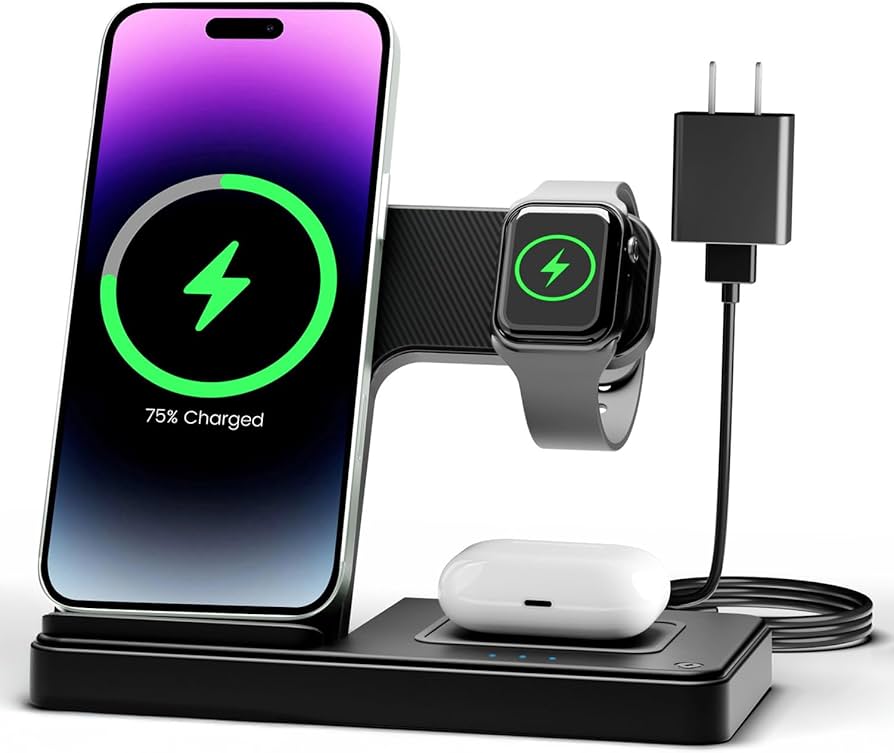
The Science of Wireless Technology: How It Powers Your Devices
Wireless technology is a remarkable advancement in communication that has fundamentally transformed how we connect with the digital world. At its core, wireless technology uses electromagnetic waves to transmit data without the need for physical wires. Wireless signals can come from various sources, including cellular towers, Wi-Fi routers, and even satellites, enabling devices to communicate seamlessly. This technology relies on several scientific principles, including radio frequency (RF) propagation and modulation techniques, to ensure that data is sent and received efficiently over distances.
The effectiveness of wireless technology is evident in the devices we use daily, such as smartphones, laptops, and smart home gadgets. Through various standards like Bluetooth and Wi-Fi, our devices can connect not only to the internet but also to each other. For example, Wi-Fi operates on specific frequency bands and utilizes protocols to maintain stable connections. This technology enables us to stream content, browse the web, and communicate with others effortlessly—showcasing how the science behind wireless technology powers our devices and enhances our lives.
Counter-Strike is a tactical first-person shooter that has captivated players since its initial release in 1999. The game pits teams of terrorists against counter-terrorists in a variety of objective-based scenarios. For gamers looking to enhance their gaming experience, investing in the Top 10 Bluetooth Tablet Keyboards can provide a significant advantage with improved control and responsiveness.
Wireless Versus Wired: Which Connection is Right for You?
In today's digital age, the choice between wired and wireless connections can significantly impact your online experience. Wired connections, typically through Ethernet cables, provide stable and consistent internet speeds, making them ideal for activities like gaming, streaming, or large file transfers. They are less susceptible to interference and signal degradation, ensuring a reliable connection. On the other hand, wireless connections offer unparalleled convenience and mobility, allowing multiple devices to connect without the hassle of cables. This is especially beneficial in homes with smart devices or for users on the go.
When deciding which connection type is right for you, consider your specific needs. If you value speed and reliability, a wired connection might be the best option. However, if flexibility and convenience are your priorities, a wireless network could be more suitable. Additionally, a hybrid approach that combines both types might also be beneficial, allowing you to enjoy the strengths of each method. Ultimately, understanding your usage patterns and the environment in which you connect will guide you toward making the right choice.
How to Optimize Your Home for Seamless Wireless Connectivity
In today's digital age, having reliable and seamless wireless connectivity at home is essential. To begin optimizing your home, identify the key areas where wireless coverage is crucial, such as living rooms, home offices, and bedrooms. Consider utilizing a mesh Wi-Fi system to eliminate dead zones, ensuring that every corner of your space benefits from robust connectivity. Additionally, placing your router in a central location can significantly boost signal strength, so avoid hiding it in cabinets or behind furniture.
Another important factor in optimizing your home for wireless connectivity is managing interference. Household devices like microwaves and cordless phones can disrupt Wi-Fi signals. To minimize this, try to position your router away from these appliances. Furthermore, regularly updating your router's firmware can enhance performance and security. By following these strategies, you can enjoy a fluid and uninterrupted online experience across all your devices.