The Untold Impact of Wireless Technology on Modern Life
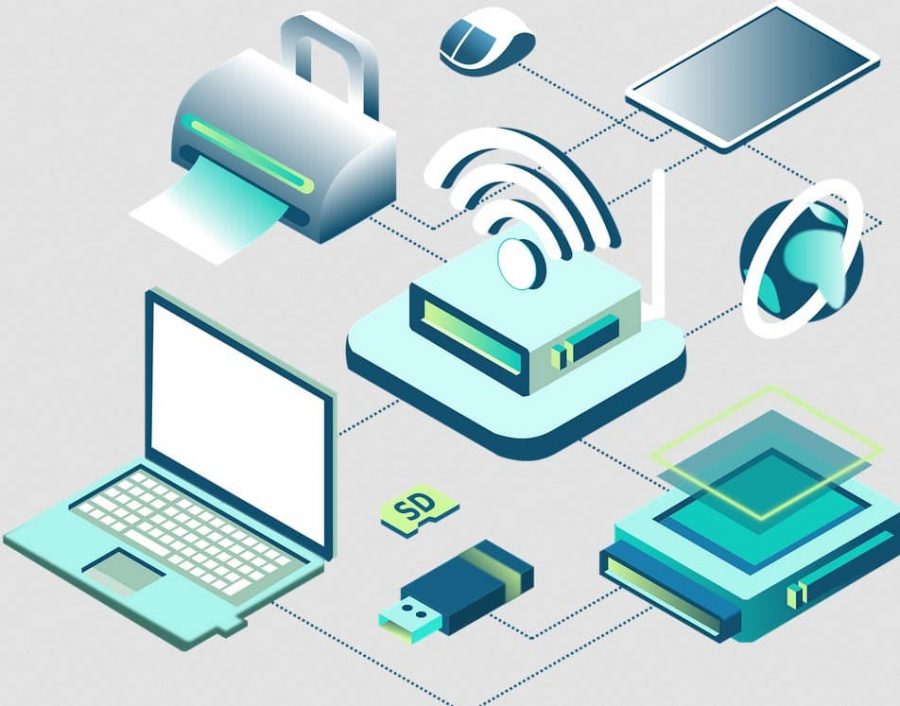
Wireless technology has fundamentally reshaped our daily lives, introducing levels of convenience and connectivity that were once unimaginable. From smartphones to Wi-Fi networks, the ability to connect without physical constraints has revolutionized both personal and professional landscapes. This transformation is not limited to communication; it extends to areas such as healthcare, where remote monitoring and telemedicine have become viable solutions, providing patients with critical care while reducing the need for in-person visits.
However, the impact of wireless technology goes beyond mere convenience. It has fostered an era of instant information access, enabling individuals to research, learn, and adapt at an unprecedented pace. Innovations like the Internet of Things (IoT) further amplify this effect, allowing everyday objects to communicate and enhance our living environments. As we explore the untold impacts of such technology, it's essential to recognize both its potential and the challenges it presents, including privacy concerns and the digital divide that still exists in many parts of the world.
Counter-Strike is a highly popular first-person shooter game that emphasizes teamwork and strategy. Players can choose to be part of the terrorist or counter-terrorist teams, each with specific objectives. For those looking to enhance their gaming experience with quality audio, you might want to check out the Top 10 iphone microphones to find the best sound solutions that can improve communication and gameplay immersion.
How Wireless Tech Revolutionized Communication: A Journey Through Time
The advent of wireless technology has significantly transformed the way we communicate, marking a pivotal shift from traditional methods to modern conveniences. The journey began with innovations like the telegraph in the 19th century, which paved the way for voice communication through devices such as the radio. Over the decades, these developments culminated in the introduction of mobile communication systems, revolutionizing not just personal conversations, but also how businesses operate. The ability to connect without physical constraints has led to greater accessibility and an interconnected world.
Fast forward to today, and the impact of wireless tech is evident in almost every aspect of our lives. Thanks to advancements like Wi-Fi, Bluetooth, and cellular networks, communication is now instantaneous and far-reaching. Businesses leverage these technologies to broaden their audience engagement, while individuals enjoy seamless connectivity across devices. As we continue this journey through time, the ongoing evolution of wireless technology heralds exciting possibilities, whether through the rise of 5G networks or satellite internet, further shrinking our world and enhancing our communication landscape.
Is Wireless Technology the Key to a More Connected Future?
In today's rapidly evolving digital landscape, wireless technology plays a pivotal role in shaping a more connected future. As we move towards an increasingly mobile world, the reliance on wireless solutions has never been more apparent. From smartphones to IoT devices, the ability to communicate without physical constraints fosters innovation and convenience. Wireless technology enables seamless connectivity, allowing individuals and businesses to connect effortlessly, share information in real-time, and access resources from virtually anywhere. This shift not only enhances productivity but also streamlines communication across various sectors, paving the way for smarter cities and more integrated communities.
Moreover, the advent of advanced wireless technologies, such as 5G and beyond, promises to revolutionize our daily experiences even further. These technologies offer enhanced speed, reduced latency, and greater bandwidth, opening the door to new applications and opportunities. For instance, the implementation of 5G networks will usher in an era of smart transportation systems, telemedicine, and immersive augmented reality experiences. As we embrace these advancements, it becomes clear that wireless technology is not just a convenience but a crucial component in fostering a more connected and collaborative future.